
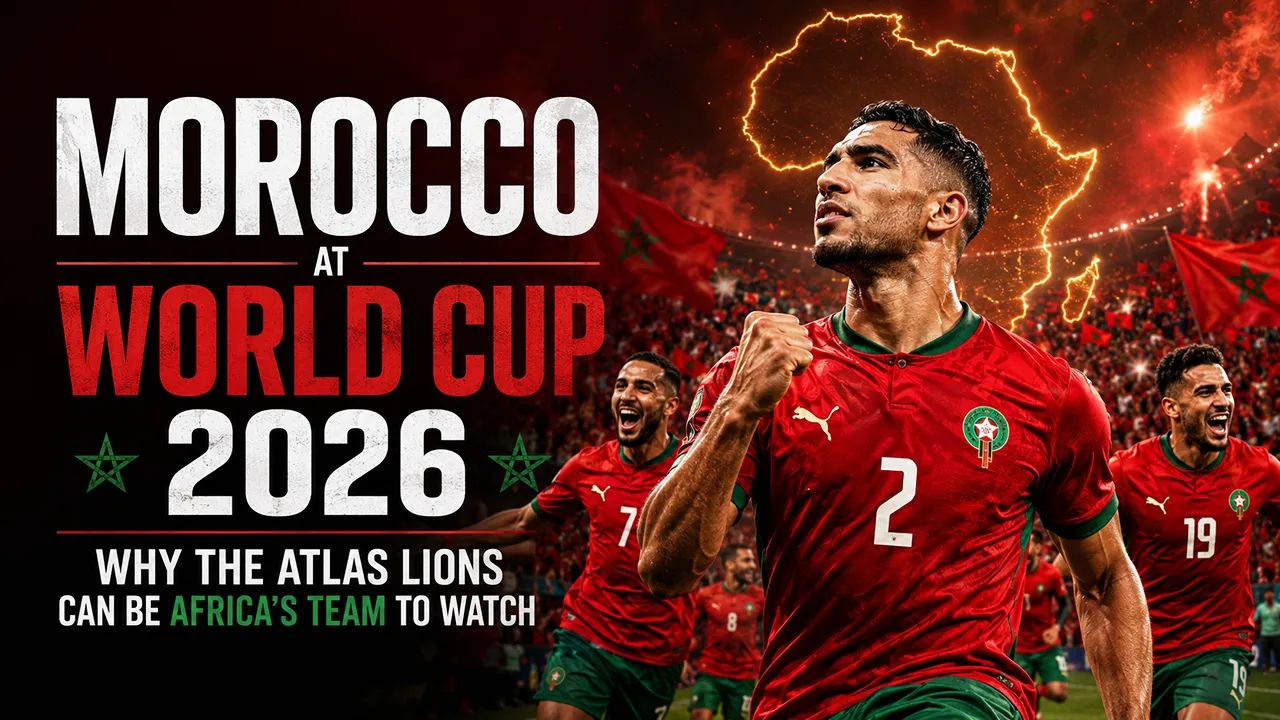

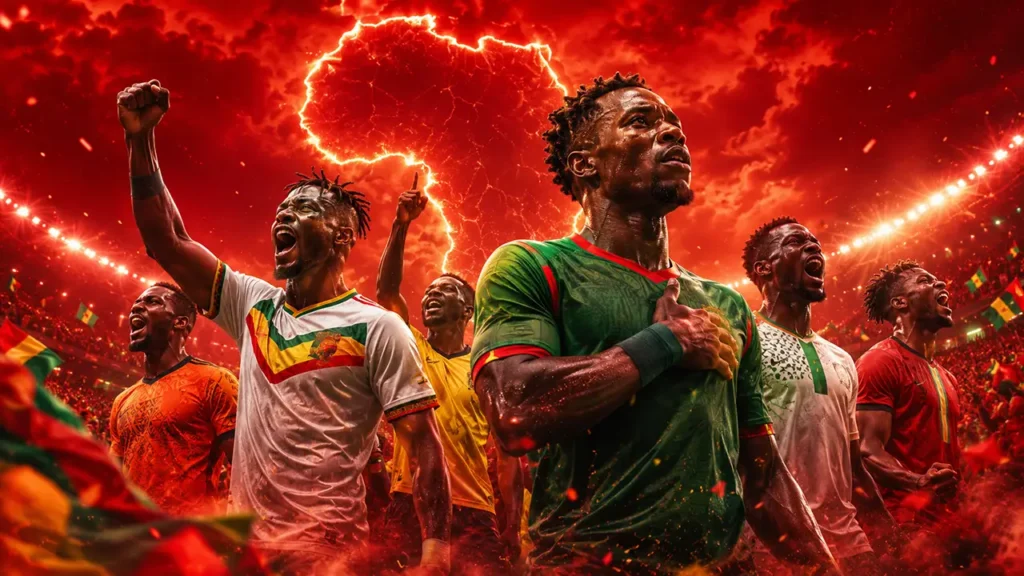
The 2026 World Cup is shaping up to be a watershed moment for African football.The 2026 World Cup is shaping up to be a watershed moment for African football.
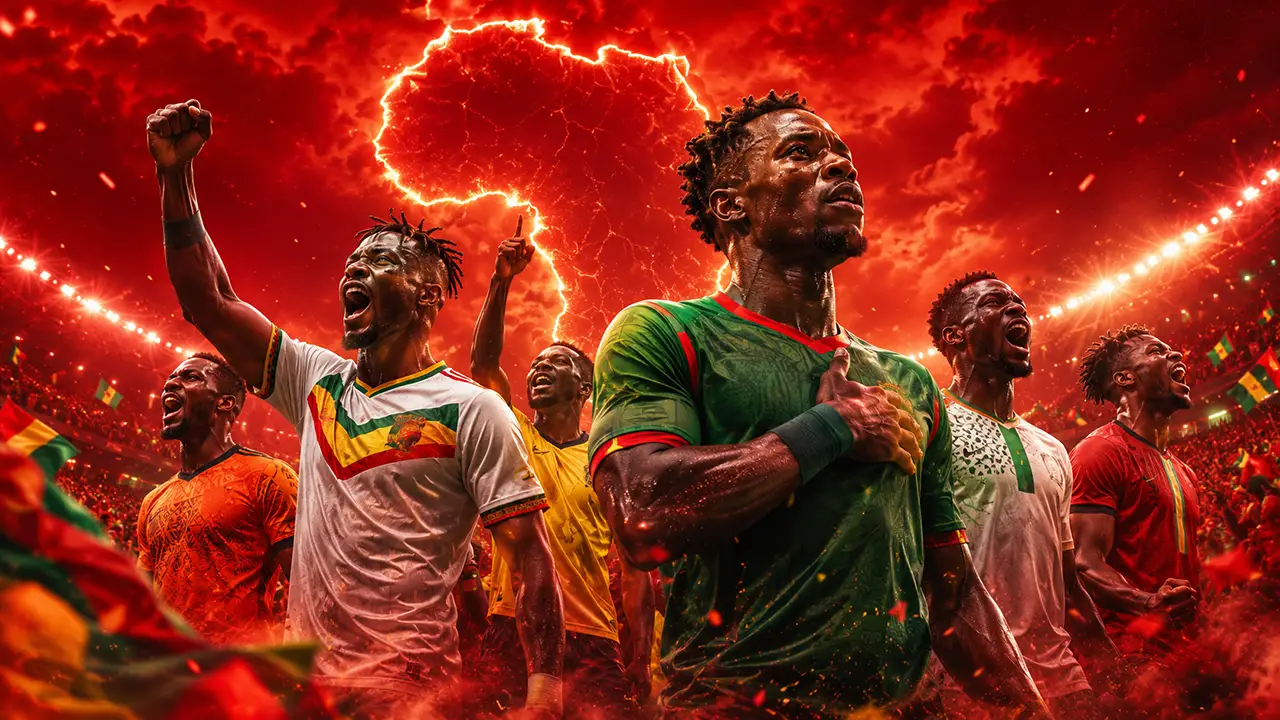
For the first time in history, the continent will boast a record number of representatives on the world’s grandest stage. Morocco, Senegal, Egypt, Ghana, Algeria, Tunisia, Côte d’Ivoire, South Africa, Cape Verde, and DR Congo are heading to North America not just to fill spots, but to shift the global balance of power.
This isn’t just a story about increased representation. It is about a fundamental shift in mindset. Following Morocco’s historic, jaw-dropping run to the semi-finals in Qatar 2022, African teams are arriving with an entirely new psychological edge. The days of simply being happy to participate are over. Africa is going to the World Cup to compete.
The expansion of the World Cup to 48 teams changes the calculus of international football.
In the past, Africa’s severely limited qualifying slots meant that the continent’s grueling qualifiers acted as a meat-grinder. Absolute powerhouses routinely missed out on the tournament simply due to a lack of math on their side. Now, with a deeper contingent, the true depth of African football will finally be on display.
African football is not a monolith, and this expanded roster showcases an incredible variety of styles:
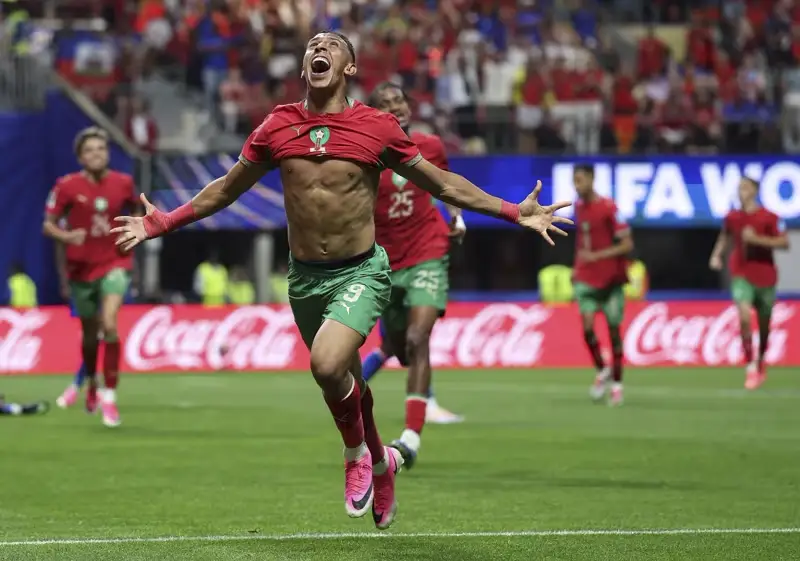
Morocco’s legendary run in 2022 was the ultimate turning point. By becoming the first African nation to reach a World Cup semi-final, the Atlas Lions did more than win matches—they dismantled an old psychological barrier. They proved that with tactical discipline, rigid organization, and fearless execution, the gap between Africa and the traditional European or South American elite can be completely erased.
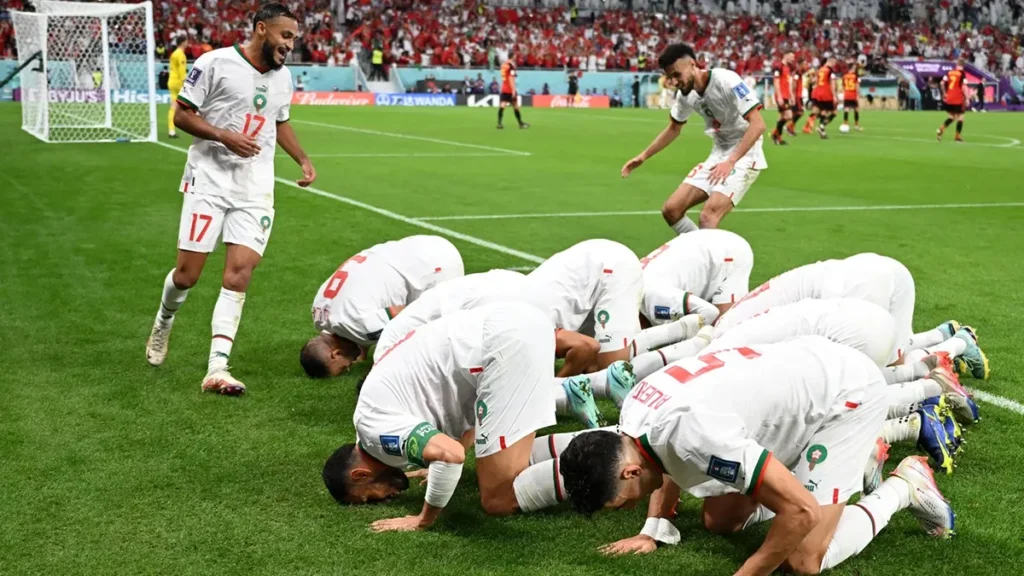
In 2026, every African team will carry that blueprint in their kit bags. The lesson is simple: Respect the opponent, but never fear the badge.
One of the most compelling reasons to expect surprises in 2026 is the sheer caliber of the players. The current generation of African stars aren’t just playing in Europe; they are anchoring elite clubs.
They are Champions League regulars, Scudetto winners, and Premier League icons. They deal with high-stakes pressure every single weekend. Consequently, when an African squad lines up against giants like Brazil, France, or Germany, there is no awe factor. They face these exact same superstars in domestic leagues all year long.
The debate is no longer about individual quality. The real test for 2026 will be how effectively these national teams can mold their elite individuals into a cohesive, iron-clad collective.
The revamped 48-team format offers a unique lifeline for teams that grow into a tournament. With 12 groups of four, the top two teams advance alongside the eight best third-placed finishers.
This layout means a single bad day at the office won’t instantly doom a campaign. For African teams, who traditionally thrive on momentum, this is a massive advantage. If a team can shake off an opening-day hiccup, adjust, and find their rhythm, a single explosive performance in the second or third match can completely transform their trajectory. In a tournament of this scale, momentum is a superpower.
If you are looking for the soul of the tournament, look no further than Cape Verde. A small island nation punching way above its weight class is exactly what makes the World Cup magical.
But make no mistake: Cape Verde is not a tourist squad. They play with a distinct tactical identity, a unified dressing room, and crucially, absolutely nothing to lose. Teams playing with complete freedom and intense national pride are a nightmare to draw in the group stages. They prove that footballing dreams aren’t dictated by population size or historical pedigree.
Historically, external pundits lazily categorized African football as merely “athletic, fast, and physical.” While that blistering pace and power remain a core strength, modern African teams have evolved immensely in their tactical maturity.
Today’s squads are masterfully organized. They know how to suffocate games in a compact mid-block, press intelligently, and weaponize lightning-fast transitional play. This fusion of supreme athleticism and modern tactical sophistication makes them incredibly unpredictable—and unpredictability is a lethal weapon in tournament football.
Never underestimate the power of the stands. African fans are famous for injecting unparalleled color, rhythm, and vibrant energy into stadiums. Whether it is the rhythmic drumming of the Senegalese supporters, the deafening wall of sound from North Africa, or the pure joy of the Ivorian and Congolese faithful, they change the atmosphere of a match.
Furthermore, given the massive African diaspora across the United States, Canada, and Mexico, many of these matches will feel like genuine home games. When the legs get heavy in the 80th minute, that emotional push from the crowd can carry a team over the line.
The 2026 World Cup will not be a walk in the park. There will be daunting groups, tactical chess matches, and immense pressure. Not every African team will make a deep run.
But the narrative has permanently shifted. Africa enters this tournament with unprecedented depth, elite experience, and a justified sense of belief. Morocco unlocked the door in 2022. In 2026, the rest of the continent is ready to kick it wide open.
The football world needs to be ready.






No Comments