


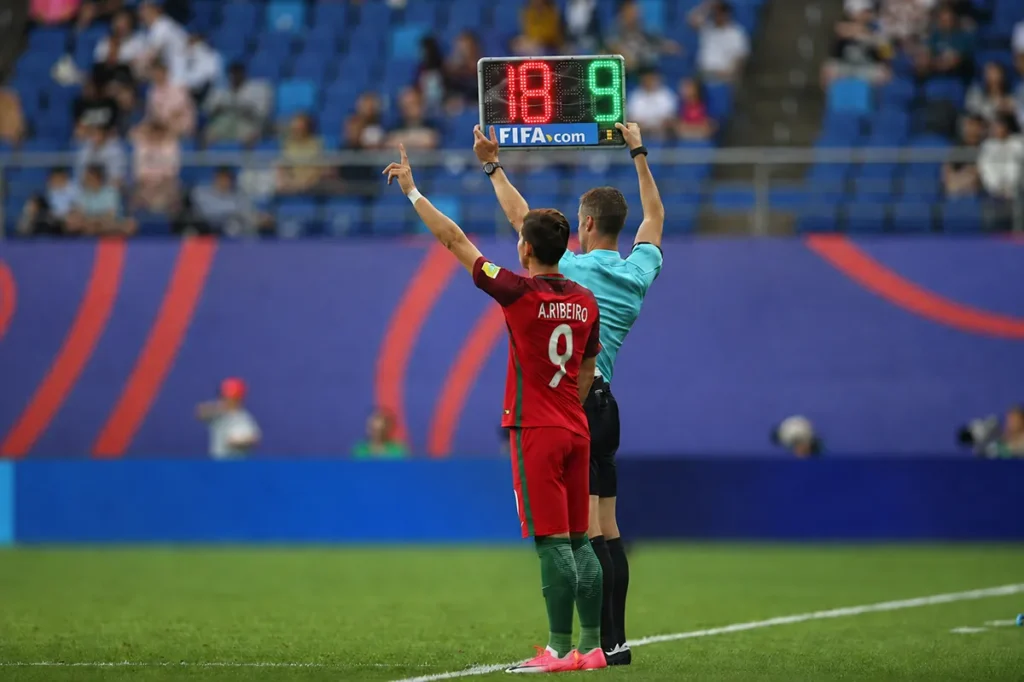
The FIFA World Cup 2026 substitution rules allow each team to make up to five substitutions during normal time, using a maximum of three active-play substitution windows. In knockout matches that go to extra time, teams receive one additional substitute and one additional substitution opportunity, meaning a sixth normal substitution can be used.
Quick answer: Teams can make five substitutions in a World Cup 2026 match during normal time. Those changes must usually be made within three active-play substitution windows. Half-time substitutions do not use a window. In extra time, each team gets one extra substitute and one extra window. A permanent concussion substitute is separate from the normal five-substitution limit.
The key detail is that substitutions and substitution windows are not the same thing. A team may have changes available, but still need to manage when those changes are made.
With matches decided by tight margins, demanding conditions and tactical adjustments, understanding the substitution rules is essential for managers and supporters following the action.
For a broader explanation of VAR, time-wasting and refereeing changes, read our guide to the World Cup 2026 new rules.
The standard World Cup 2026 substitute rules allow each team to replace up to five players during a 90-minute match.
Those five changes must normally be completed within a maximum of three substitution opportunities during active play.
The basic rules are:
For example, a manager could make two substitutions in the 55th minute, another in the 70th minute and two more in the 82nd minute. That would use all five substitutes across the permitted three windows.
The limit on windows is designed to stop teams from repeatedly interrupting play, slowing the match and using substitutions primarily as a time-management tactic.
No. A manager may make one or more substitutions during the half-time interval without using one of the team’s three active-play windows.
The players introduced still count toward the limit of five substitutes, but the timing does not count as a substitution opportunity.
This gives coaches a valuable tactical option. A manager who makes two changes at half-time would still have three active-play windows available for the remaining three substitutions.
The FIFA World Cup 2026 substitutions regulations also permit each team to make a maximum of one additional permanent concussion substitution per match.
This is separate from the standard five-substitute limit.
A concussion replacement may be made when a player has an actual or suspected concussion, regardless of:
The player removed under the concussion protocol cannot return to the field or participate in a penalty shootout.
When one team uses its permanent concussion substitute, the opposing team receives the option to make an additional regular substitution. This is intended to prevent one side from gaining an unfair tactical advantage from the medical rule.
The priority remains player safety: a team should not be forced to continue with an injured player—or play with ten men—because its normal substitutions have already been used.
The extra time sixth substitute rule applies when a knockout match remains level after 90 minutes and proceeds to two additional 15-minute periods.
Each team then receives:
Unused substitutions and unused windows from normal time also carry over.
For example, if a team has made only four substitutions during the first 90 minutes, it enters extra time with two changes available: the unused fifth substitution plus the additional sixth substitute.
If that team used only two active-play windows during normal time, it would also carry the unused third window into extra time and receive the additional fourth window.
Teams may make changes:
Changes made before extra time begins or during the short interval between the two extra-time periods do not use an active-play substitution window.
However, every player introduced still counts toward the maximum number of normal substitutions available to the team.
The number of available players and the number of opportunities to introduce them are not the same thing.
A team may still have substitutes available but be unable to use them if it has already exhausted its active-play windows.
Imagine a manager makes one substitution in the 50th minute, another in the 60th and a third in the 70th. The team has used only three of its five permitted substitutes, but it has exhausted all three normal-time windows.
The remaining two changes could generally be made only during a non-window interval, such as before extra time, or after receiving an additional extra-time window.
This is why coaches often introduce two or three players together. Grouping changes protects a substitution opportunity for later in the match.
World Cup 2026 also includes a stricter substitution exit rule designed to reduce time-wasting.
When a player is substituted, they are expected to leave the pitch quickly, usually at the nearest boundary line. If the player delays the substitution process, the referee can delay the replacement and make the incoming player wait until a later stoppage.
This rule matters because late substitutions are often used to slow the match down. For fans, it means referees may be more active in controlling how quickly players leave the field.
Each country at World Cup 2026 can register a final squad containing between 23 and 26 players, including at least three goalkeepers.
For an individual match, all 26 players may be included on the start list. With 11 starters, that means a maximum of 15 substitutes can be named on the bench.
That expanded selection gives managers far more tactical flexibility than older World Cups, when matchday benches and tournament squads were smaller.
A coach can now keep several different profiles available:
The rule particularly benefits teams with exceptional squad depth. Countries traditionally associated with large talent pools—such as France, England and Brazil—can introduce elite-level players without dramatically weakening their structure.
These players are no longer simply reserves waiting for an injury. They are game-changers selected to influence specific phases of a match.
The five-substitute system allows coaches to redesign large parts of their team during a match.
A manager chasing a goal could replace both wingers, introduce another striker and change one or two midfielders. A team defending a narrow lead could refresh its defensive line and strengthen the midfield without removing every attacking threat.
Substitutions are also likely to become increasingly important because the expanded 48-team competition creates different match situations and a longer potential route to the trophy.
Teams reaching the final must manage fatigue, injuries, suspensions and recovery across several rounds. The strongest starting XI may win one match, but the strongest overall squad could determine who survives the entire tournament.
Yes. A team could theoretically replace five players during one stoppage. That would count as one substitution window but would use the full five-substitute allowance.
Teams have three active-play windows during normal time. If a match reaches extra time, each team receives one additional window, taking the possible total to four.
According to the official FIFA World Cup 2026 regulations, teams may also make substitutions at half-time without using one of their three active-play opportunities.
Yes. Any normal substitutions or substitution opportunities not used during the first 90 minutes remain available in extra time. The team also receives the additional sixth substitute and extra window.
No. A permanent concussion substitute is separate from the five normal substitutions. The opposing team is then granted an additional regular substitution.
Normally, no. Group-stage matches do not go to extra time, so teams are limited to five normal substitutions. The sixth normal substitute becomes available only when a knockout match proceeds to extra time.
The FIFA World Cup 2026 substitution rules allow each team to make five normal substitutions during normal time, using a maximum of three active-play substitution windows. Half-time changes do not use a window.
Teams are allowed five normal substitutions in a World Cup 2026 match. If a knockout match goes to extra time, each team receives one additional substitute, taking the total to six.
There are five normal substitutions during a 90-minute match. Six substitutions are only possible in knockout matches that go to extra time. A concussion substitute is separate from the normal limit.
Understanding how many substitutions are allowed in World Cup 2026 means looking beyond the basic five-player limit. Managers must also control their three substitution windows, prepare for the extra-time sixth substitute and respond correctly to possible concussion situations.
Those decisions could influence which team survives the demanding knockout rounds and ultimately lifts the trophy on July 19, 2026.
Which team do you think has the best bench depth in this World Cup? Let us know in the comments below!



Fresh football stories, match reactions, and tournament updates — delivered without the noise.








No Comments